What should applicants check before drafting?
They should verify the official award type, country page, eligibility rules, required components, deadlines, and any commission-specific instructions.
Official-first planning, award fit, eligibility, deadlines, and application positioning.
Fulbright application strategy starts with the current official award and country requirements, then turns the applicant's goals, preparation, and evidence into a coherent plan reviewers can trust.

Many Fulbright international applicants underestimate the rigor of feasibility checks in their study or research objectives. Reviewers look for concrete planning, realistic timelines, and credible access to

Applicants often misjudge recommender selection, favoring prestige over direct evidence. Reviewer-trusted letters come from those who can credibly document your readiness for Fulbright study or research.
A reviewer-level analysis of how international Fulbright applicants can build credible personal statements, with practical narrative examples and evidence-focused guidance.
Analysis of the concrete evidence Fulbright reviewers expect in study and research objectives, with realistic examples and guidance on building a defensible, reviewer-ready application.

A reviewer-level analysis of how international Fulbright applicants can outline a focused, feasible study or research objective that withstands scrutiny and builds trust.
Fulbright reviewers scrutinize applicants’ motivation by seeking concrete, corroborated evidence in personal statements—prioritizing specific actions, decisions, and outcomes over declarations.

Applicants who draft Fulbright Nigeria essays before reading the current call risk misalignment with updated priorities and requirements—an error reviewers quickly detect.

Many Fulbright interview responses about the U.S. and field selection falter due to vague rationales or missing evidence; reviewers look for credible preparation, context-specific logic, and defensible plans.

A reviewer-level analysis of Fulbright study objectives, with examples illustrating how feasibility, host fit, and evidence shape initial selection decisions.

Strong Fulbright applicants are often rejected when their narratives, affiliations, or recommendations do not form a coherent, country-relevant case under reviewer scrutiny.

Fulbright reviewers distinguish memorized responses from authentic engagement by probing for contextual adaptation, reflective learning, and evidence of project-specific preparation—signals that cannot be faked by

Fulbright applicants frequently conflate the resume and personal statement, but reviewers expect distinct forms of evidence and narrative in each. This editorial clarifies their differences with practical examples

Volunteering alone rarely satisfies Fulbright reviewers; credible community impact requires context-specific engagement, evidence of adaptation, and alignment across application materials.

Fulbright selection committees probe for feasibility gaps, evidence mismatches, and untested assumptions. Anticipating this scrutiny is essential for applicants seeking to present a coherent, credible Fulbright

Credibility in Fulbright interviews rests on defensible specifics, visible groundwork, and the ability to withstand skeptical follow-up—not just polished delivery.

Fulbright interview pressure questions expose evidence gaps and test applicants’ ability to address reviewer doubts with specific, applicant-owned examples.

Strong Fulbright applicants often falter on mission and mutual understanding questions by relying on abstract claims instead of showing concrete, context-driven plans and evidence of navigating cross-cultural tensions.

Polished Fulbright essays often falter in interviews when applicants cannot substantiate project feasibility, host fit, or recommendation alignment under scrutiny.

Why Fulbright reviewers’ logic changes from written review to live interviews and how applicants can anticipate the shift in scrutiny and evidence demands.

Fulbright interviews scrutinize project feasibility, host-country fit, and applicant ownership—demanding a level of specificity and adaptability not required in university admissions interviews.

Fulbright reviewers scrutinize applications for subtle misalignments, feasibility gaps, and evidence disconnects that undermine credibility, even among high-achieving candidates.

Cross-document alignment ensures your essays, recommendations, and affiliations reinforce a coherent narrative that stands up to Fulbright reviewer scrutiny.
Fulbright reviewers scrutinize applications for logical alignment across essays, recommendations, and project plans. Consistency signals a credible, well-integrated narrative rather than surface-level repetition.
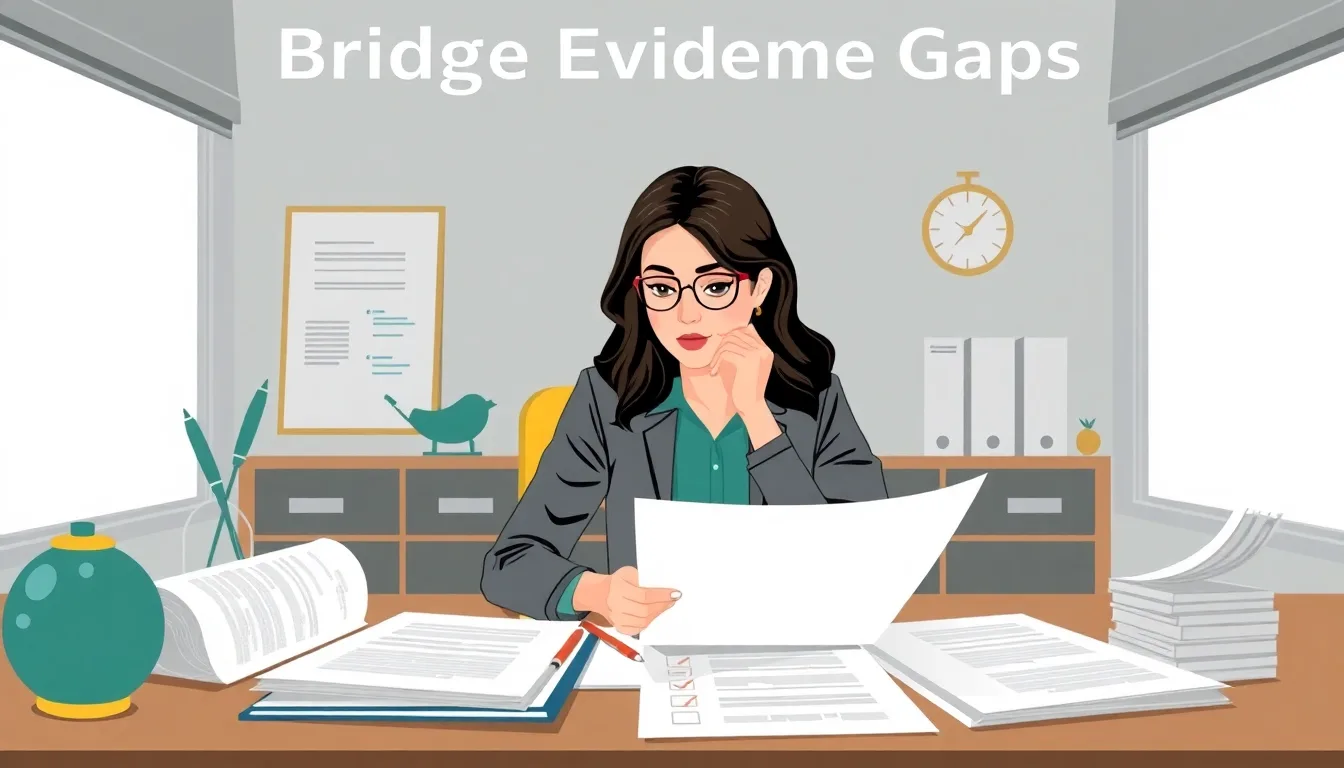
Fulbright reviewers scrutinize applications for concrete, outcome-linked evidence—especially where applicant claims, resistance, and results intersect. Gaps between narrative and verification often undermine
Targeted recommendation letters provide external evidence for project feasibility, host fit, and applicant readiness—addressing key reviewer doubts in Fulbright applications.

Generic, supportive recommendation letters undermine Fulbright applications when they lack field-specific evidence, project relevance, and credible insight into the applicant’s preparation.

Most Fulbright applicants misunderstand the strategic roles of different recommender types; credible coverage matters more than prestige or generic praise.
Editorial analysis of how Fulbright applicants can translate lived experience into specific, reviewer-relevant evidence of project readiness and host fit.

Fulbright reviewers quickly spot personal statements that rely on vague claims or polished templates. Distinctive applications provide context, credible decisions, and evidence of authentic engagement.

Fulbright reviewers scrutinize personal growth claims for credible, context-specific evidence of self-awareness and adaptation, expecting patterns that align with project demands and host country realities.

A persuasive Fulbright application weaves together past experience, project rationale, and future plans through consistent evidence and credible reflection across all documents.

Fulbright reviewers prioritize applicants who present reflective, context-rich narratives over those who rely on unexamined lists of accomplishments.

Fulbright reviewers scrutinize claims of leadership without formal authority, prioritizing evidence of influence, ownership, and credible outcomes over aspirational language.

Fulbright reviewers scrutinize long-term impact claims for feasibility, evidence, and applicant agency, prioritizing detailed planning over broad ambition.

Overly technical study objectives can undermine Fulbright applications by obscuring purpose, limiting accessibility, and weakening reviewer engagement.

Fulbright reviewers look for applicants who show realistic, specific engagement with U.S. resources, not just references to prestigious names. Evidence of groundwork and access planning matters more than

Aligning Fulbright proposals with the host country’s realities is crucial for credibility and competitiveness; applicants who ignore context risk weak engagement and reviewer skepticism.

Applicants often conflate research plans with study objectives, but reviewers focus on the distinction to evaluate host fit, adaptability, and the broader value of the Fulbright exchange.

Many Fulbright applicants overemphasize academic plans, but reviewers prioritize proposals that credibly link scholarly work to public benefit and local context.

Fulbright reviewers scrutinize feasibility by weighing applicant groundwork, host realities, access, and credible planning—never just ambition or scale.

A detailed analysis of recurring study objective pitfalls in Fulbright applications, with reviewer insights, realistic applicant examples, and practical guidance for crafting credible, defensible statements.

Strong Fulbright research ideas often falter due to weak feasibility, insufficient host engagement, or inconsistency across application materials.

Fulbright reviewers hesitate to advance applicants when project feasibility, host engagement, or recommendation alignment appear unconvincing, even in otherwise polished files.

A Fulbright application may look impressive, but only those that persuade reviewers with credible evidence, host fit, and realistic planning are truly convincing.

How Fulbright applicants unintentionally weaken their case when their personal statement and study objective do not reinforce each other, with reviewer-level analysis.

Fulbright reviewers often flag over-ambitious proposals as risky when applicants overlook feasibility, host-country context, and credible groundwork.

Many Fulbright applicants undermine their case by submitting recommendations that fail to substantiate the most important project claims, creating credibility gaps for reviewers.

Examining how technically flawless Fulbright applications can falter due to gaps in contextual evidence, affiliation depth, and reviewer confidence.

Even impressive Fulbright proposals face skepticism when applicants lack evidence of host engagement, contextual adaptation, or initiative—revealing the limits of surface-level excellence.

Fulbright selection often turns down outstanding academic profiles; strong grades and credentials can still fall short without credible planning and contextual fit.

A close analysis of why Fulbright follow-up questions expose the difference between surface-level preparation and genuine project readiness, with practical examples and reviewer insights.

Compelling Fulbright essays cannot compensate for recommendations that lack independent, specific evidence—reviewers prioritize corroboration over eloquence.
Strong Fulbright applicants often undermine their candidacy by relying on safe, risk-averse personal statements that obscure their adaptability and self-awareness.

Fulbright reviewers scrutinize the entire application for coherence, seeking alignment among statements, recommendations, and affiliations to assess credibility and readiness.
Inconsistent Fulbright applications trigger reviewer skepticism by undermining credibility, project feasibility, and host-country fit, even in strong candidates.

Fulbright interviewers probe beyond project plans and achievements to test evidence of preparation, adaptability, country fit, and defensible reasoning under pressure.
Many Fulbright applicants underestimate how recommendation letters shape reviewer confidence, providing unique external evidence of adaptability, project readiness, and relationship-building.

Fulbright reviewers prioritize personal statements that provide concrete evidence of adaptability, decision-making under pressure, and credible engagement with complex environments.

Effective Fulbright study objectives combine ambition with specific, credible preparation and a clear fit with host-country needs, avoiding overreach and demonstrating practical pathways to impact.

Qualified Fulbright candidates are often rejected when their applications lack host-specific preparation, project feasibility, or clear alignment with award priorities.
They should verify the official award type, country page, eligibility rules, required components, deadlines, and any commission-specific instructions.
Credibility comes from specific evidence, feasible plans, honest boundaries, and a clear connection between the award, host context, and future contribution.