Why the Distinction Matters for Fulbright Applicants
Many Fulbright applicants enter the process believing that the personal statement should simply elaborate on their resume. This misconception is easy to spot in drafts that read like extended CVs, but it can be costly. Fulbright reviewers are trained to separate evidence of achievement from evidence of reflection and adaptability. When applicants blur these lines, it signals a lack of awareness about the review process and can raise doubts about their readiness for the program’s demands.
How Reviewers Parse Evidence in Each Document
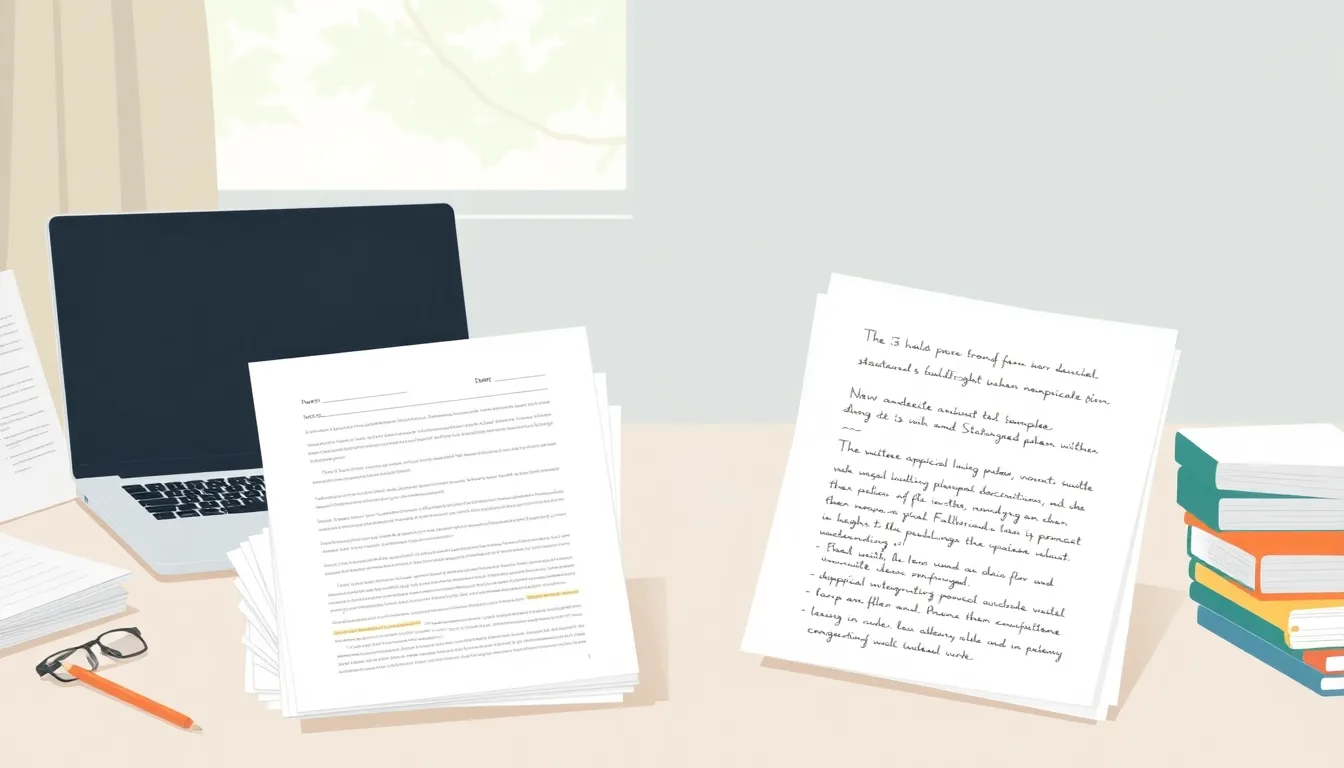
Reviewers read the resume as a factual record—positions, dates, outcomes. Its purpose is to establish what you have done, not why or how you did it. The personal statement, in contrast, is where reviewers look for your reasoning, your response to ambiguity, and your ability to learn from setbacks. For example, a resume entry might state: “Research Assistant, 2022–2023: Conducted statistical analysis for a study on maternal health outcomes.” If the personal statement merely repeats, “I conducted statistical analysis on maternal health outcomes as a research assistant,” it adds nothing about your decision-making or interpersonal skills. Reviewers notice when an applicant cannot move beyond surface-level accomplishment.
Applicant Examples: Weak and Stronger Versions
Consider an applicant for a Fulbright research grant in Indonesia. The resume lists: “Coordinated a field study with 50 participants; published findings in a peer-reviewed journal.” In the personal statement, the weak version reads: “I coordinated a field study and published the results.” This approach is transactional and fails to reveal the applicant’s reasoning or how obstacles were addressed. The stronger version describes how initial recruitment efforts failed due to community mistrust, prompting the applicant to collaborate with local health workers and adapt the study protocol. By reflecting on building rapport and adjusting methods, the applicant demonstrates flexibility and respect for local perspectives. This kind of narrative answers the reviewer’s underlying questions about process and growth.
What Happens When Applicants Blur the Lines
When the personal statement becomes a second resume, reviewers are left searching for evidence of self-awareness. For example, an applicant for an English Teaching Assistantship writes: “Taught English to 200 students, introduced a new curriculum, improved test scores by 20%.” While these numbers are measurable, the narrative omits the complexity of classroom dynamics. Reviewers may wonder: How did the applicant handle initial resistance? What strategies failed, and how were they adapted? The weak version only demonstrates output, not learning. A stronger version would recount the challenge of gaining trust, the trial and error with teaching methods, and the gradual engagement of previously disengaged students. This approach builds credibility by acknowledging difficulty and showing growth.
Integrating Your Application: Consistency Without Redundancy
Successful applicants ensure their resume and personal statement complement each other without duplication. Reviewers compare both documents for narrative consistency, not repetition. For example, if your resume highlights a leadership role in a student organization, your personal statement might focus on a specific challenge—such as mediating a conflict or navigating resistance to a new initiative. This demonstrates your ability to analyze experience, not just list it. The Fulbright Application Strategy topic hub provides frameworks for building a coherent application package.
Developing Voice and Perspective
Applicants often overlook the importance of voice in the personal statement. Moving beyond a list of activities requires deliberate choices about which experiences to share, how to frame setbacks, and which relationships influenced your thinking. Guidance on Personal Statement Voice can help you develop a narrative that resonates with reviewers. The strongest statements reveal the applicant’s reasoning, doubts, and adaptability, even when outcomes are imperfect.
Synthesizing Reviewer Expectations
The resume is for quantifiable accomplishments; the personal statement is for evidence of growth, adaptability, and perspective. When applicants conflate the two, they miss the opportunity to address the deeper questions reviewers are asking: How do you handle resistance? What happens when your plans fail? Can you learn from unfamiliar contexts? The Personal Statement topic hub offers further analysis and examples. The most credible applications are those where each document serves its distinct function, together providing a multidimensional, reviewer-ready portrait of the applicant.